
info@mixfoodgroup.com
86 15221870316

What it is:
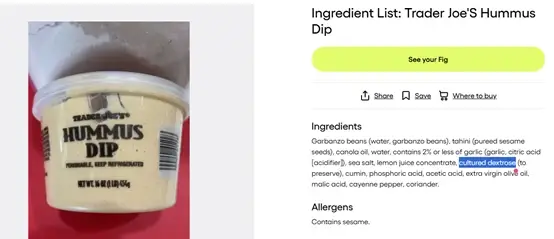
dextrose (glucose) that’s been fermented with
food-grade bacterial cultures to produce a blend of organic acids, peptides and
other metabolites.
Function:
natural-appearing preservative/mold and yeast inhibitor and mild flavor enhancer; used to extend shelf life in dairy, dressings, dips, baked goods, sauces and prepared foods.
Typical cultures:
lactic acid bacteria (e.g., Lactococcus, Lactobacillus strains) or similar fermentative microbes.
Form/labeling:
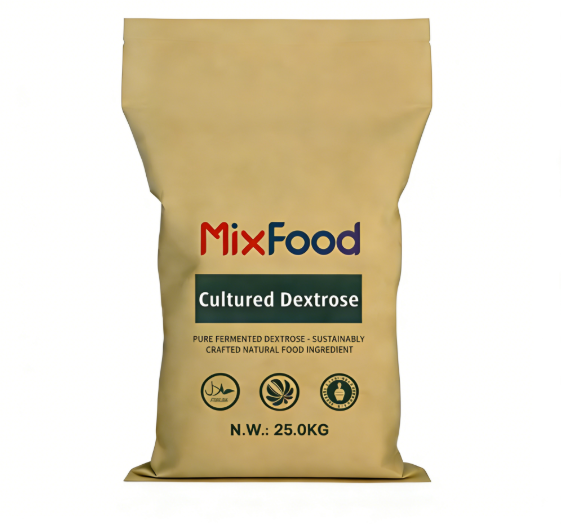
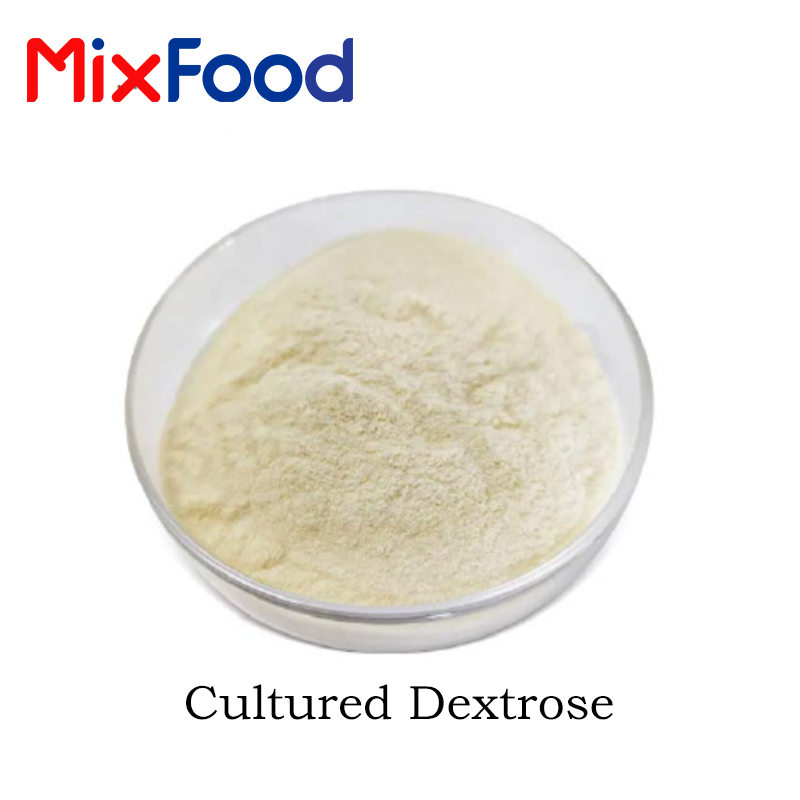
sold as a liquid or powder; labeled on ingredient lists as “cultured dextrose” or occasionally “fermented dextrose.”
Safety and regulation:
Generally Recognized As Safe (GRAS) when used as intended; accepted by many food manufacturers as a “clean label” preservative alternative to some synthetic sorbates/bens.
Dietary/allergen notes:
usually non-animal (microbial fermentation) and generally suitable for vegetarian/vegan diets, but check supplier specifications if strict vegan/halal/kosher compliance is required. It is not a common allergen.
Usage considerations:
effective at low concentrations; performance depends on formulation pH, water activity and competing microbes. Typical use levels depend on the product — consult supplier tech sheets for recommended dosages and stability data.
Typical applications and examples
1. Dairy: cultured dairy drinks, cottage cheese, cream cheese spreads — to extend shelf life and control yeast/mold.
2. Dressings & sauces: mayonnaise-based dressings, creamy sauces — helps control yeast and mold without changing texture.
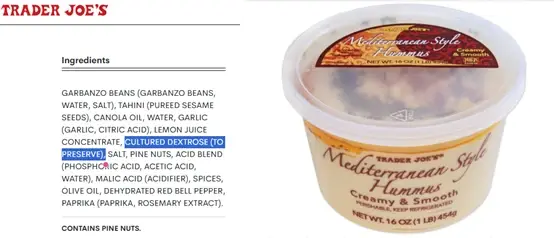
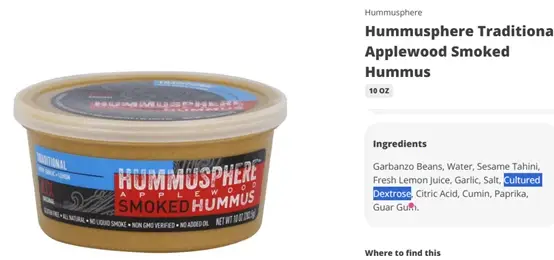
3. Dips & spreads: hummus, vegetable dips — reduces spoilage and prevents bloating from yeast.
4. Baked goods: frostings, fillings, some ready-to-eat bakery items — delays mold growth.
5. Ready-to-eat meals & prepared salads: extends refrigerated shelf life.
6. Plant-based products: vegan cheeses, spreads — compatible with clean-label positioning
7. Beverages: certain low-pH drinks (check flavor impact).
Typical use levels
Often effective at low parts-per-thousand levels. Common ranges: 0.1%–0.5% (w/w) but can vary by product matrix, pH, water activity and the specific cultured dextrose formulation.
Always verify supplier technical data sheets and run challenge tests to define the minimum effective dose for your product.
Formulation & processing considerations
1. pH dependence: more effective at lower pH; performance drops as pH rises.
2. Water activity: higher aw favors microbial growth — effectiveness must be validated in high-moisture systems.
3. Heat stability: many preparations are heat-stable but confirm with supplier if subjected to pasteurization or baking.
4. Interaction with other preservatives: can be combined with weak acids (acetic, lactic) or other hurdles for synergistic effects; check for sensory impact.
5. Flavor: usually mild but may contribute slight tang/acid note at higher concentrations — test for flavor impact.
6. Solubility & form: available as liquid concentrates and powders—choose according to processing (liquid addition, dry mix).
Name: Mixfood Sales
Mobile:86 15221870316
Tel:86 15221870316
Whatsapp:86 15221870316
Email:info@mixfoodgroup.com
Add:Building 1, 385 Yubei Road, Shanghai, China